

Build Healthy Eating Habits for Your Toddler
Toddlers are naturally curious, energetic, and unpredictable. Their eating patterns often follow the same rhythm. One day they may try everything on their plate, and the next they may refuse foods they loved yesterday. Many mothers begin to wonder if they are doing something wrong or if their toddler is missing important nutrients. The truth is that healthy eating is not created in a day. It is shaped slowly through repeated exposure, patience, and simple habits that help children learn to enjoy a variety of foods over time.
This blog offers a full, supportive look at how to build lasting healthy eating habits for your toddler without pressure, battles, or overwhelm.
Start With Structure, Not Strict Rules
Toddlers learn best with routines. Consistent mealtimes and predictable snack times help them understand what to expect and reduce constant grazing. When children graze all day, they arrive at meals without hunger, which often increases food refusal.
A simple structure might include:
• Breakfast
• Mid morning snack
• Lunch
• Afternoon snack
• Dinner
The goal is not to restrict food but to help your child build a natural rhythm around eating.
Offer a Balanced Plate Without Overthinking It
A toddler’s plate does not need to be perfect. What matters most is exposure to a variety of foods over time. Aim for three easy categories at meals:
A familiar food
This should be something your toddler usually accepts, such as fruit, yogurt, or bread. Familiar foods help them feel safe at the table.
A nutrient rich food
This might be protein, vegetables, or whole grains. Offer it regularly even if they do not always eat it.
A food for exploration
This can be a new texture, color, or preparation. A single bite or small piece is enough for exposure.
Children need many exposures before they willingly try something new. Your calm consistency is more important than the food itself.
Avoid Pressure and Make the Table a Neutral Space
Many mothers unknowingly place pressure on their toddlers by encouraging bites or showing disappointment when food is refused. Pressure, even gentle pressure, increases resistance.
Try to avoid:
• “Just one more bite”
• “You need to finish your vegetables”
• “Please eat this for me”
Instead, focus on a simple responsibility split:
You decide what to serve and when.
Your toddler decides what and how much to eat.
This approach builds trust and reduces mealtime stress.
Let Toddlers Explore Food With All Their Senses
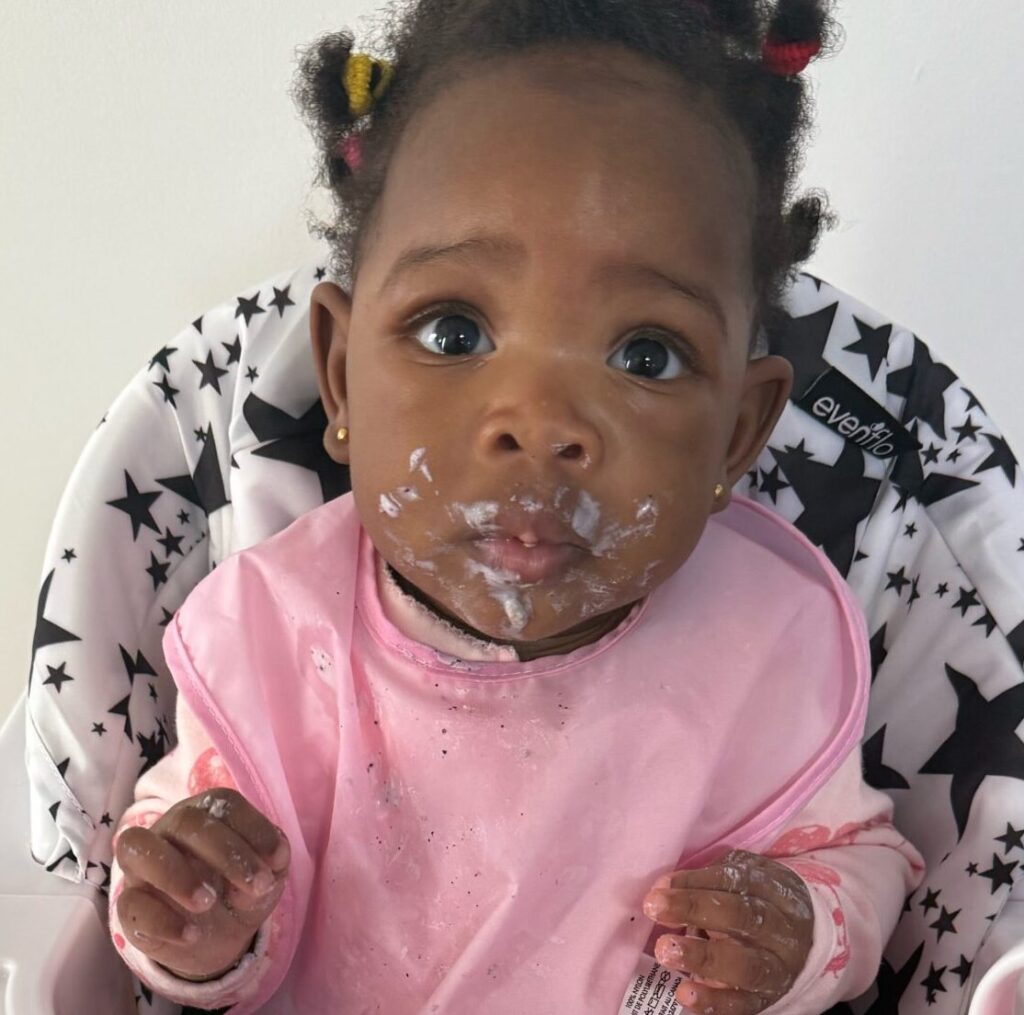
Toddlers learn through touch, smell, sight, and taste. Sometimes exploration looks messy or slow, but it is meaningful. When your child touches or smells a food, they are becoming more familiar with it. Familiarity makes acceptance more likely.
Encourage gentle exploration such as:
• Picking up a new food
• Smelling it
• Touching it to their lips
• Taking a small nibble
Every step counts as progress.
Model the Behavior You Want to See
Children are natural imitators. When you sit and eat with your toddler, they observe your comfort and interest in food. Family meals, even short ones, make a big difference.
Try to:
• Sit together at meals
• Eat similar foods
• Show curiosity about new items
• Avoid showing frustration when they refuse something
Your calm presence is a powerful teacher.
Involve Your Toddler in Simple Food Tasks
Toddlers love to help. Including them in simple kitchen or meal preparation tasks increases their interest in the foods you serve.
They can help with:
• Washing fruit
• Stirring ingredients
• Placing items on a plate
• Picking between two healthy options
When they contribute, they feel ownership and pride. This often leads to more willingness to try new foods.
Keep Portions Small
Large portions can overwhelm toddlers. Small servings make food feel approachable. You can always offer more if they ask. This builds confidence and prevents mealtime battles.
Expect Natural Appetite Fluctuations
Toddlers have days when they seem to eat nonstop and others when they eat very little. This is normal. Growth patterns, teething, sleep changes, and emotional transitions all affect appetite. Look at patterns over a week, not a single day.
Your job is to stay consistent even when their appetite changes.
Stay Patient and Trust the Process
Healthy eating habits are built through time, exposure, and calm guidance. Picky eating is usually a phase, and most children grow out of it naturally. By staying patient, offering balanced meals, and keeping mealtimes positive, you create a foundation that will benefit your toddler for years to come.
Remember that your effort matters more than perfection. You are doing your best, and that is enough.